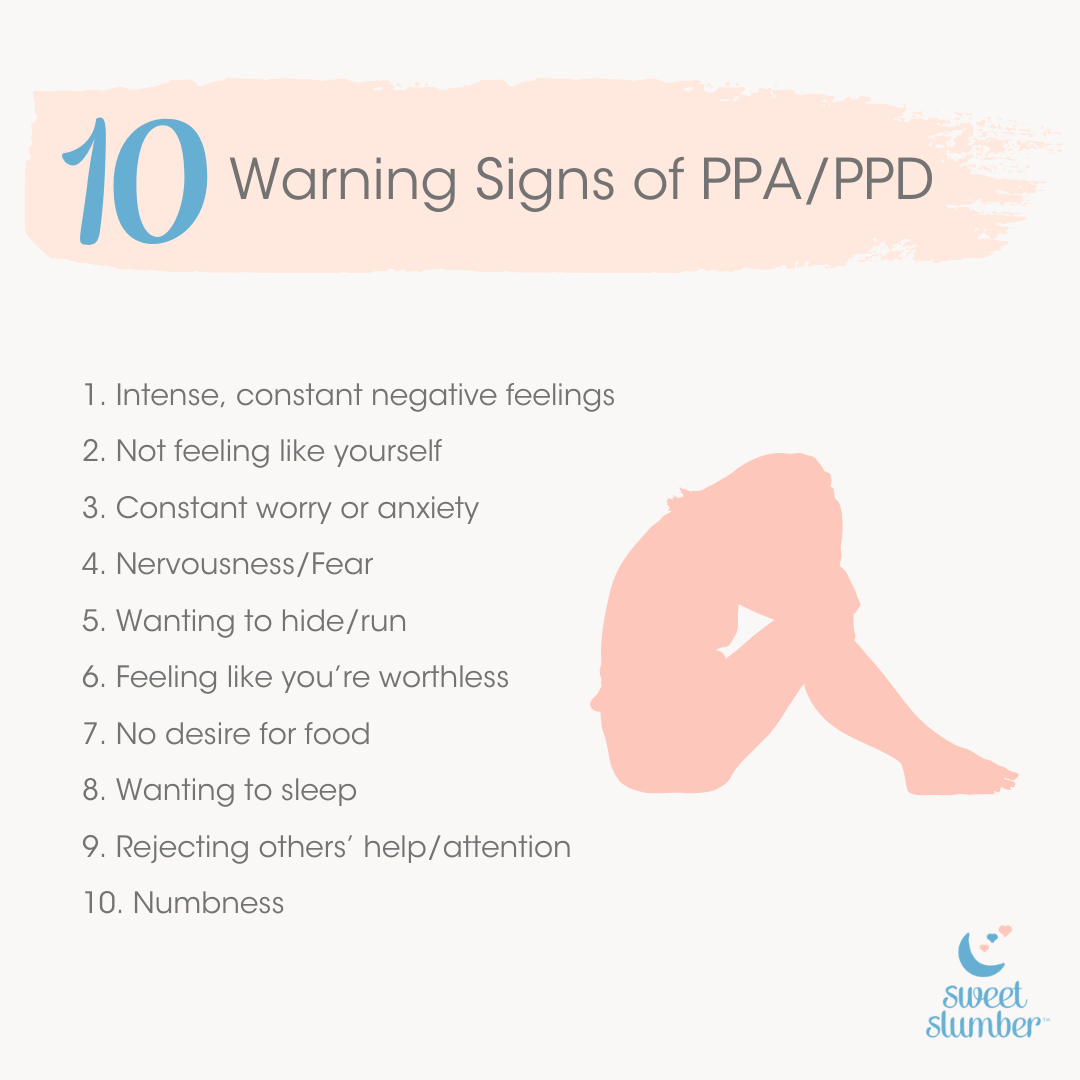
Do You Know the Warning Signs of Postpartum Depression and Anxiety?
The signs of PPA, PPD; when to seek professional postpartum support; motivation for seeking postpartum support
When you have a baby, and you’re going through many changes and new circumstances (no matter if it’s your first or you have more than one) it can be really hard to focus on yourself.
Often we pay so little attention to our needs, that we overlook important red flags. On top of that, certain factors can make it even more difficult to identify a postpartum mental health disorder in yourself.
You may wonder, "Since I am new to being a mother, how am I supposed to know if I am feeling normal or if there is something to be concerned about?"
You may have a lot of emotions that are overwhelming, question yourself often, and feel like a failure if you are struggling to care for your child.
You might be sleep deprived, which will add stress and intensify your emotions.
These situations can make you miserable. It may seem like you have postpartum depression or anxiety, but you may be too confused to be sure.
When should I be concerned about the way I am feeling?
One way to figure out if you need professional support is to ask yourself: Do I have more than one of the signs on this list, and do I feel this way often?
It’s always better to play it safe. It hardly ever pays off to question yourself and doubt your intuition.
Ask your partner/spouse or a close friend or family member for insight. But remember, it isn’t a personal attack if they notice changes and signs and report them to you. My husband has opened up to me more than once when my moods and behavior were off, and he was spot on. We got through our tough times after I called my doctor and I received a treatment plan.
It’s powerful when loved ones open up this way. It may be the key to feeling more like yourself and enjoying motherhood.
What do I do if I have the signs of postpartum depression or anxiety?
1. Learn more about postpartum mental health disorders by visiting https://www.postpartum.net. You'll find a help-line and a list of trained doctors you can turn to! (They need special training!)
2. Call your doctor. It might be scary to pick up the phone and talk about this. You also might feel emotional or embarassed. Don't give yourself a chance to back out by doing this alone. Call a friend or ask your spouse or partner to be there with you. Do something that will help you feel brave, then make the call.
3. Show up to your doctor appointments. Polls report that half of mothers who receive therapist referrals for PPA or PPD miss their appointments. It's rare to feel better without making positive changes in your life when you have PPA or PPD.
4. Be open about your struggles with your support team and help them make a wellness plan for you. They will go over all of the options for wellness, including natural solutions and then follow up with you to make sure the plan is working and you are safe. Talk therapy is a powerful tool that should be included in your wellness plan.
I don't know if I can do this. It is very unlikely that you will regret admitting how you are feeling and asking for support. You shouldn’t blame yourself. There should be no shame. You've done nothing wrong if you’ve developed a postpartum disorder. It's just a side effect of having a baby (men can develop them too!).
No one is going to take your baby away if you are diagnosed with a postpartum disorder.
You don’t have to take medicine. There are natural ways to improve your PPA and PPD symptoms. But, it's important to note that medicine has been studied and deemed safe for breastfeeding. And it may be worth it to take medicine since it could decrease your symptoms and stabilize your moods sooner than other solutions.
Are you sure I should ask for help?
You are worth it. Your baby is worth it. Your relationships are worth it. Your experience as a mother is worth it.
You're going to be okay. You are going to get through this but it will be easier with the proper support.
You can contact me or click on the chat box to share your feelings and find encouragement. I am here for you! I have been trained in perinatal mental health support and I'm experienced in this area. I care about you. You are not alone!